
Active Learning
Experience - Transfer - Embed
Through curriculum mapping, reflection and collaborative planning, teams begin to identify how cooperative learning can become a deliberate and recognisable part of teacher education, rather than something that depends on individual enthusiasm or isolated activities.
A flexible learning journey
The workshops are designed to connect, but they can also be taken individually. You do not need to follow the complete programme. Each workshop offers its own starting point, practical experiences and outcomes, so teams can choose the workshop or combination of workshops that best fits their need
Day 1 — Experience
I experience active and cooperative learning.
Day 2 — Transfer
I apply it to my own teaching (and my student teachers') challenges.
Day 3 — Embed
We make it part of our teacher education and curriculum.


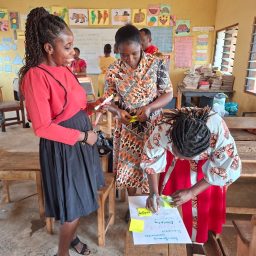
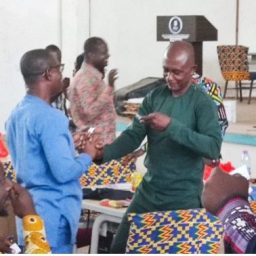
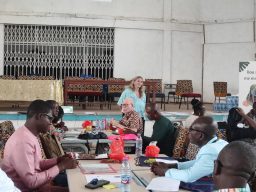
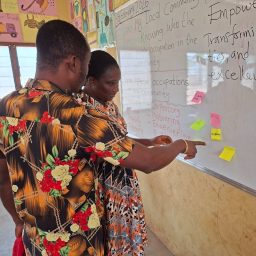
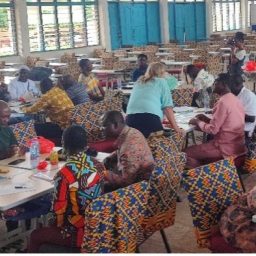
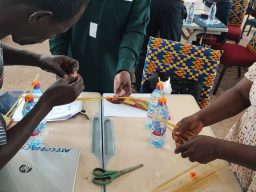
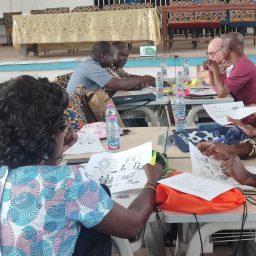
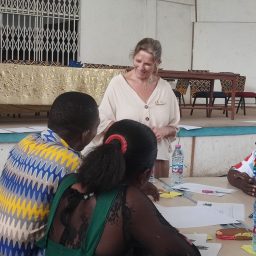
Day 1
Experience: Designing Active Learning
Fram working together to designing learning that works
Active learning is more than asking learners to work together. It is about deliberately designing learning environments in which learners think, participate, communicate, create and learn from one another.
In this workshop, participants experience different approaches to collaborative and cooperative learning first-hand. They explore what happens when learning is designed openly, and what changes when interaction, participation and individual responsibility are deliberately structured.
The workshop follows the principle Teach what you preach: rather than simply talking about active learning, participants experience it as learners themselves.
What will participants learn?
Participants will:
- experience and compare collaborative and cooperative learning;
- recognise how the design of an activity influences participation and learning;
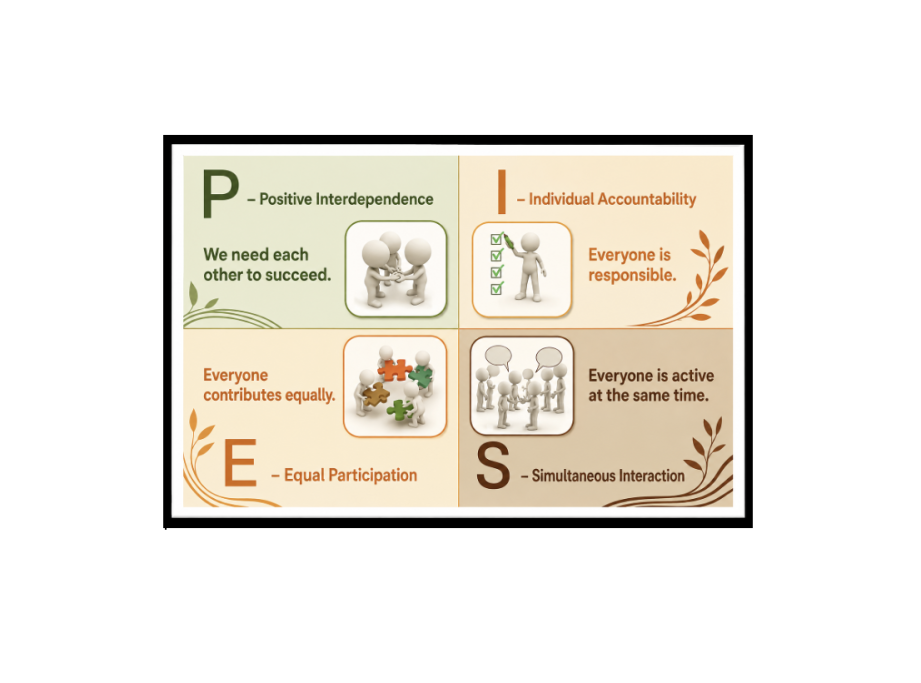
- explore PIES — Positive Interdependence, Individual Accountability, Equal Participation and Simultaneous Interaction — as a lens for designing interaction;
- practise cooperative learning structures such as Round Robin, Placemat, Jigsaw and Inside–Outside Circle;
- reflect on the teacher's changing role — from lecturer and knowledge provider towards designer, facilitator and coach;
- explore how active learning can support competency-based and child-centred education, including in large or low-resource learning environments;
- translate the principles into their own teaching and teacher-education context.
Why does this matter?
Putting learners into groups does not automatically create meaningful learning. The important question is:
What happens inside the group while learners are working together?
Deliberately designed interaction can create more opportunities for learners to think, explain, listen, practise and contribute. It can also help connect group success with individual learning. For teacher educators, this is especially important: the learning environment student teachers experience becomes a model for the learning environments they will later create themselves.
What is the outcome?
Participants leave with a practical toolkit for designing active and cooperative learning. They have experienced the approaches, analysed what made them work, and practised structures they can adapt to their own context.
Most importantly, they leave with a different way of looking at learning activities:
Not simply: “Are my students working together?”
But: “How have I designed the interaction so that everyone has the opportunity and responsibility to learn?”
Experience it. Analyse it. Design it. Apply it.
Day 2
Transfer – From Experience to practice
Bringing Active & Cooperative Learning into Our Teaching
How can we create learning environments in which learners do not simply listen, but think, participate, collaborate, practise and learn from one another?
Whether you are preparing future teachers at a Teacher Trainer College or University, or teaching learners directly in Primary, JHS or SHS, the starting point is the same:
Teach What You Preach.
We cannot expect learners to become active and collaborative if they mainly experience passive, teacher-directed learning themselves.
In this workshop, EduTWins invites Teacher Trainers and teachers to experience active and cooperative learning from the learner's perspective. Participants explore how deliberately designed learning can increase participation, interaction and responsibility for learning.
The workshop connects these experiences to real challenges in education, including:
- large classes;
- different learning levels;
- limited resources;
- passive learners;
- inclusion;
- critical thinking;
- active participation.
Participants then bring a real lesson, activity or classroom situation from their own practice. They explore: What could the learners do instead?
They redesign part of their teaching, practise it with colleagues, receive feedback and identify what they will take into their next lesson.
For Teacher Trainers:
What do future teachers need to experience and practise from us if we want them to teach differently?
For teachers:
What do I want my learners to experience and do differently in my classroom?
What will participants experience?
Participants will:
- experience and practise cooperative learning structures;
- explore how structured interaction increases participation and engagement;
- connect cooperative learning to challenges in their own context;
- critically examine and redesign their own teaching;
- practise a redesigned lesson or activity with colleagues;
- experience the shift from teacher as knowledge provider to facilitator and coach;
- reflect on what learners need to experience to become active, responsible and collaborative learners.
What is the outcome?
Participants leave with one concrete change for their next lesson and a clearer understanding of how active and cooperative learning can become part of everyday practice.
The aim is not to collect more teaching techniques, but to change the learning experience we create for learners.
From experiencing active learning to creating it.
From teaching about it to living it.
Teach What You Preach.
Day 3
From Practice to Sustainable Change
Deepening Cooperative Learning & Embedding It in (Teacher) Education
Trying something new in one lesson is a beginning, but sustainable educational change requires more.
How can cooperative learning become more than an individual teacher's choice? How can it become part of the way we teach in the school, a college or university?
In this third day, EduTWins helps (teacher)educators take the next step: from individual practice to shared practice and sustainable embedding.
Participants deepen their understanding of cooperative learning through PIES; Positive Interdependence, Individual Accountability, Equal Participation and Simultaneous Interaction. They use these principles as a lens to look critically at learning activities and at the experiences they create for student teachers and learners.
The focus then shifts from individual lessons to the wider (teacher) education programme.
Participants explore:
- What do Teacher Trainers currently model and practise in their own teacher education?
- What do student teachers need to experience and practise to become teachers who can use cooperative and active learning effectively?
- What do teachers need to take from teacher education into their own classrooms?
- What needs to happen in the classroom so that cooperative learning becomes part of everyday teaching and learning?
- What needs to change in our curriculum and teacher education programme to prepare teachers for this?
- What do Teacher Trainers and teachers need to develop themselves to make this possible?
- What does the school need to provide in terms of collaboration, time, resources, leadership and support?
- Where are the gaps between teacher education, classroom practice and school development?
- What conditions are necessary to make the change sustainable, from Teacher Trainer, to teacher, to classroom, to school?
What will participants learn?
Participants will:
- deepen their understanding of the principles behind cooperative learning;
- use PIES to analyse and redesign learning activities;
- connect cooperative learning to the competencies learners need to develop, whether they are student teachers or school learners;
- examine how cooperative learning is currently experienced and practised in their own context;
- identify where there are gaps between what we value, what we teach and what learners actually experience;
- identify what needs to change in their lessons, curriculum or wider educational practice;
- identify the knowledge, skills, time, resources and support needed to make cooperative learning part of everyday practice;
- explore what teachers, Teacher Trainers, colleagues and school or programme leaders need to do to support this change;
- develop a realistic first step towards embedding cooperative learning in their own educational context.
What is the outcome?
Participants leave with a shared starting point for sustainable change, at the level of their own teaching, their learners and, where relevant, their wider school or teacher education programme.
They identify:
- what they want learners to experience;
- what learners need to practise and develop;
- what needs to change in their teaching or curriculum;
- what teachers and Teacher Trainers need to develop themselves;
- what support is needed from colleagues and leadership;
- and what their first realistic step will be.
The purpose is not to create another document that sits on a shelf.
It is to begin building learning environments in which learners actively participate, learn from one another, take responsibility for their learning and experience the kind of learning we want them to create for others.
For Teacher Trainers, this means preparing future teachers through the kind of learning they are later expected to create in their classrooms.
For schools and teachers, it means bringing these principles directly into everyday classroom practice.
From Teacher Trainer to student.
From teacher to learner.
From individual practice to a learning culture.
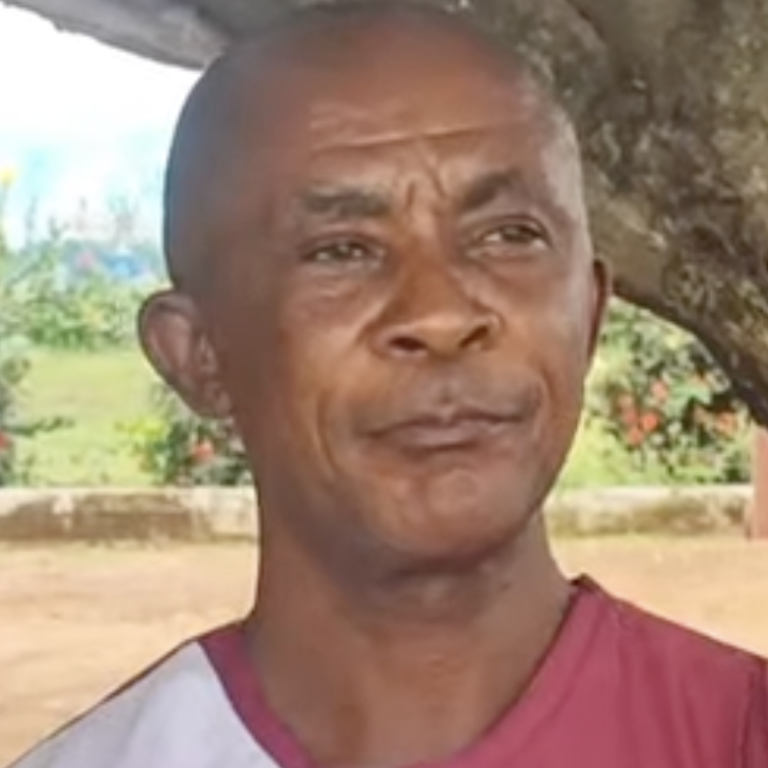
"From our interaction with the multiple engagement system of teaching by EduTWIns we have learned so much."
Teacher Trainer from AteCOE